This blog post gives details of the iron models with “MS” stamps. MS started in Japan in 1980 as an abbreviation for “Mizuno Staff” and quickly became established in the three major market (Japan, Europe and N. America). It always represented top-level equipment marketed for better golfers and professionals.
The earliest models were stamped “Mizuno Staff”, but that was quickly replaced with the famous “Mizuno Pro” script – later abbreviated to the now ubiquitous MP. Perhaps there was some conflict with Wilson? Anyway, “MS” remained in use for model naming for almost two decades in Japan, only a few short years in Europe (replaced by “Tour Proven” and “TP”), and up until 1990 in USA (replaced by “MP”).
The MS sets were in many ways the foundation for Mizuno’s global success and growth in the three major golf markets and some of the models remain coveted decades on. They represent some of the best sets produced by the company and in some cases, arguably all-time greats in forged irons. Enjoy!
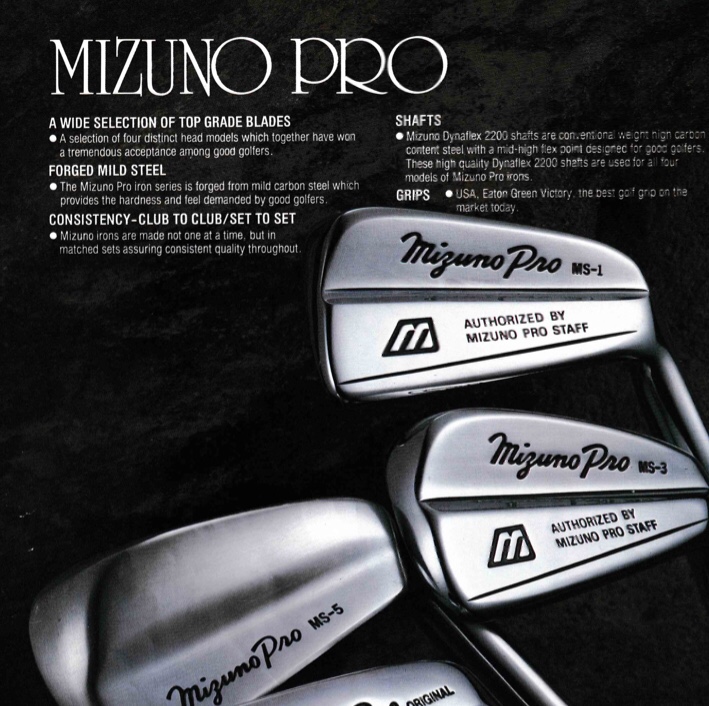

MS-1 (Japan and Europe)
The first and longest-running of the MS models. Reverse muscle with many stamping iterations over its 10+ year sales stretch. Scotch blade square-toe design with zero bounce and offset, it was a classic blade for the purist. 1980 initial launch.
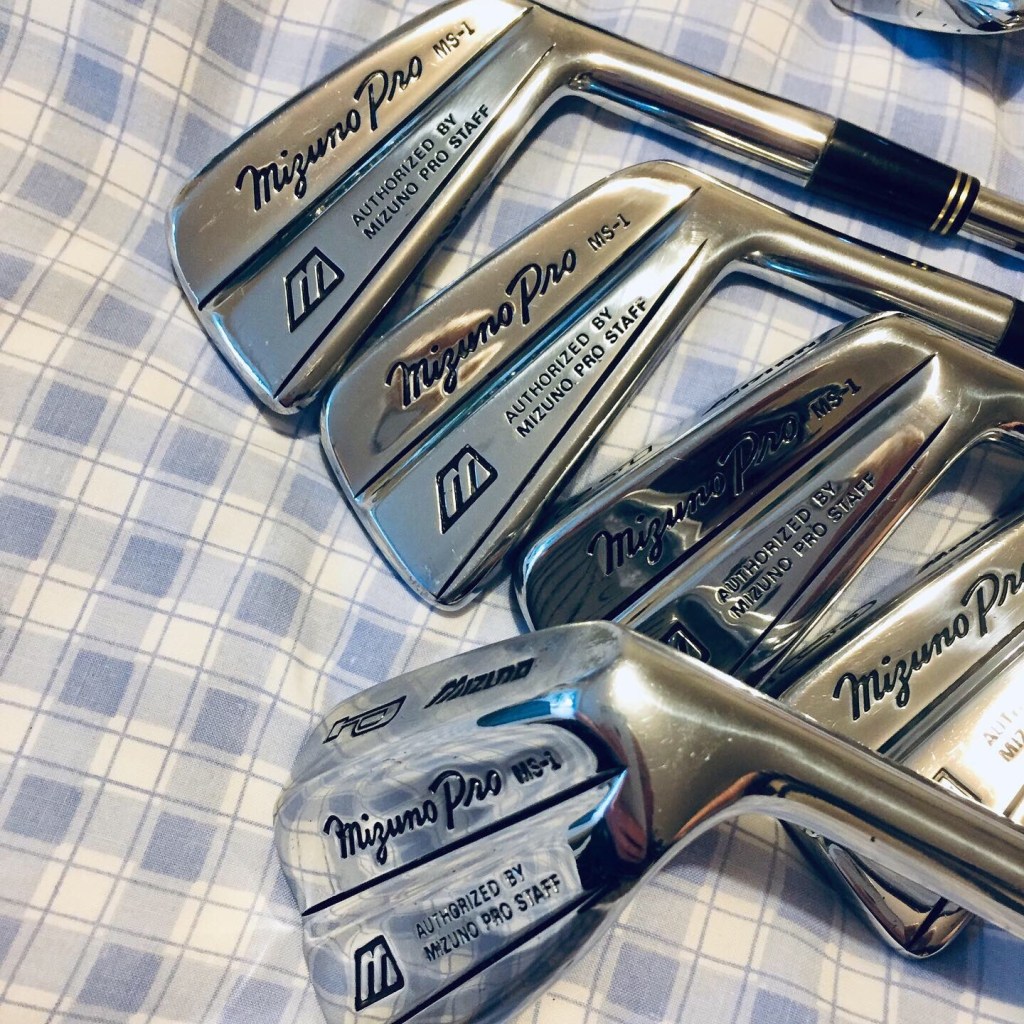
MS-2 (Japan)
Rare and short-lived, predominantly in Japan, with subtle variations from MS-1 and MS-3. Most Mizuno “Pro”, occasionally stamped “Staff”. Rounder toe and more compact. ~1981.
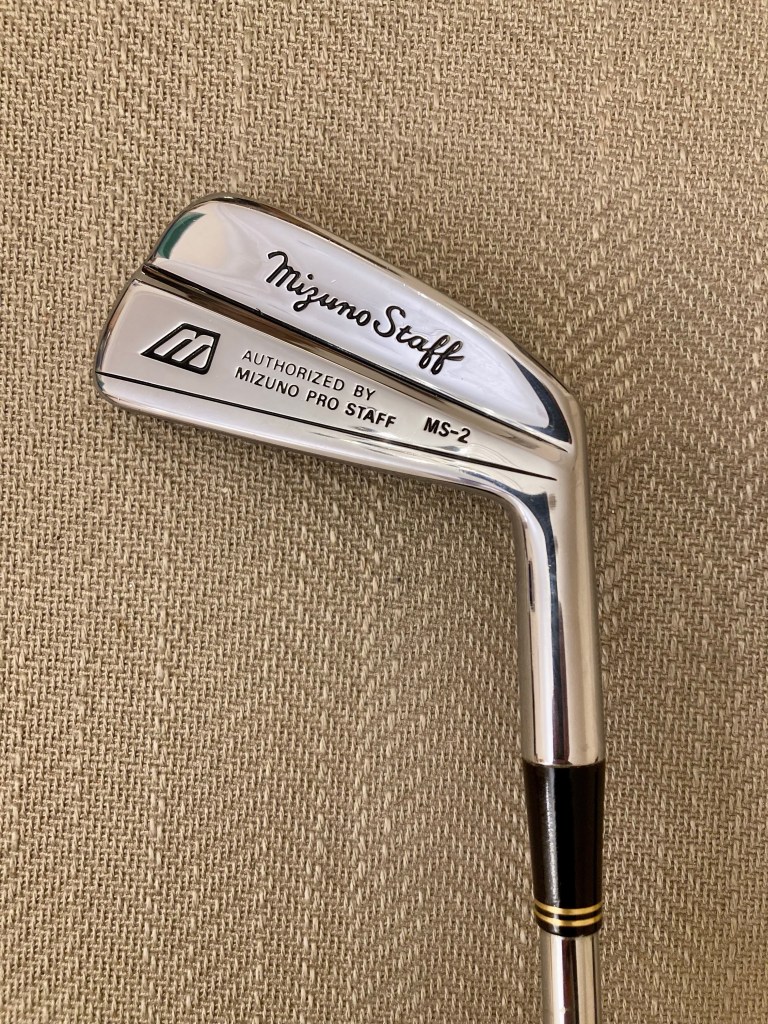
Identical heads were also sold in USA briefly, but with different paint fill and no model stamp.

MS-3 (Japan and Europe)
Very popular reverse muscle model which was sold for more than a decade. Many stamping variations through the years. Longer blade than MS-1 with some offset and some camber on sole to prevent digging. A classic. ~1981 launch in Japan. Became TP-3 in Europe.
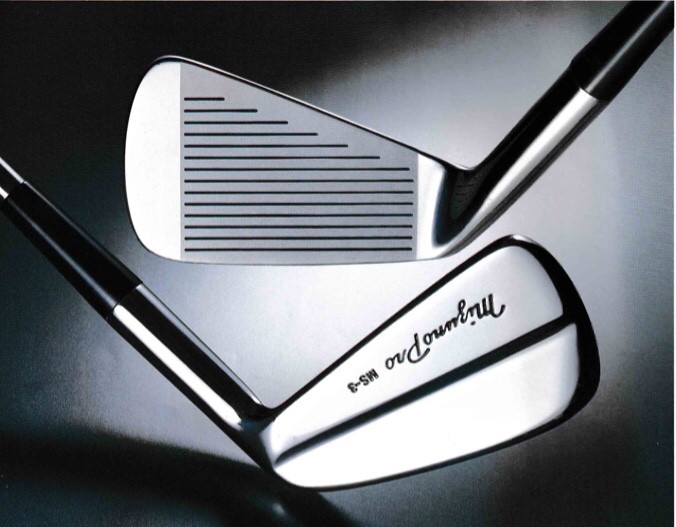

MS-3 (N. America)
Confusingly, a completely different muscle-back head was sold as MS-3 in N. American market. Lots of weight low for a higher ball flight. 1983-84 in USA.
MS-4 (N. America)
The pick of the N. American models, an elegant muscle back with satin finish. Etched in history as the set Payne Stewart picked up searching for something classic-looking before winning the 1999 US Open. 1985 launch.

MS-5 (Japan)
Popular square-toe model, which ran for many years. Muscle-back long irons; reverse-muscle in short irons. Scotch blade style with no bounce. ~1984.
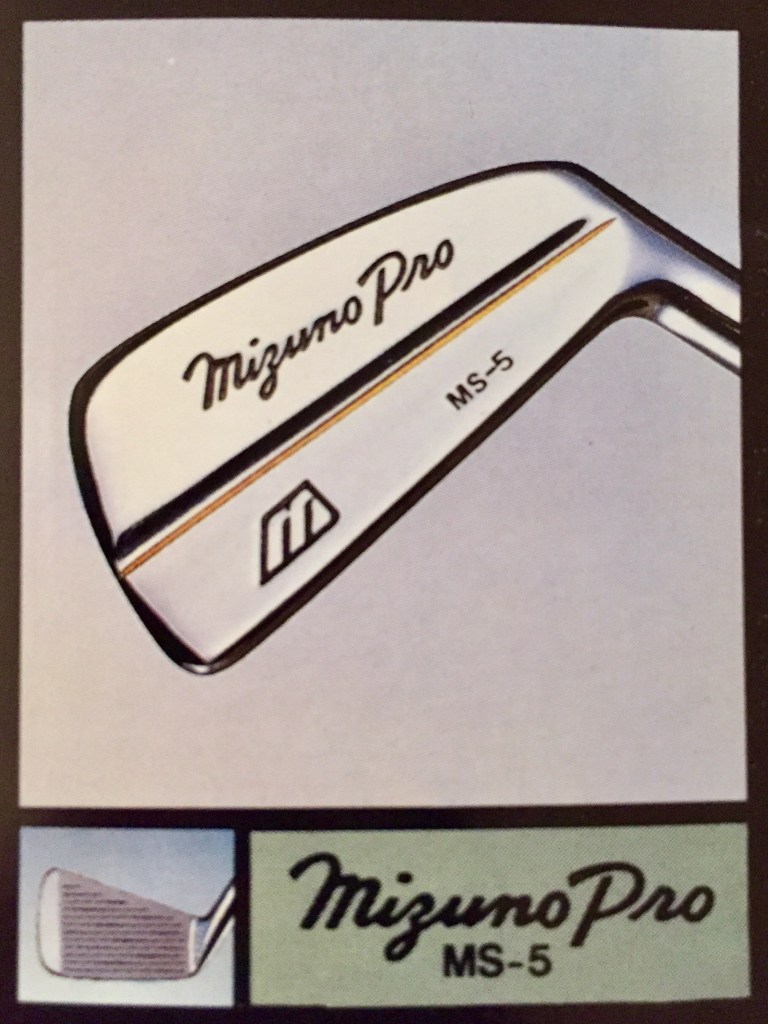
MS-5 (Europe & N. America)
Muscle-back model that was short-lived in Europe due to TP launch the following year. Became TP-5 in 1986, although was relegated to custom order only after a year. Chrome and satin examples were sold. 1985. Also MP-5 later.
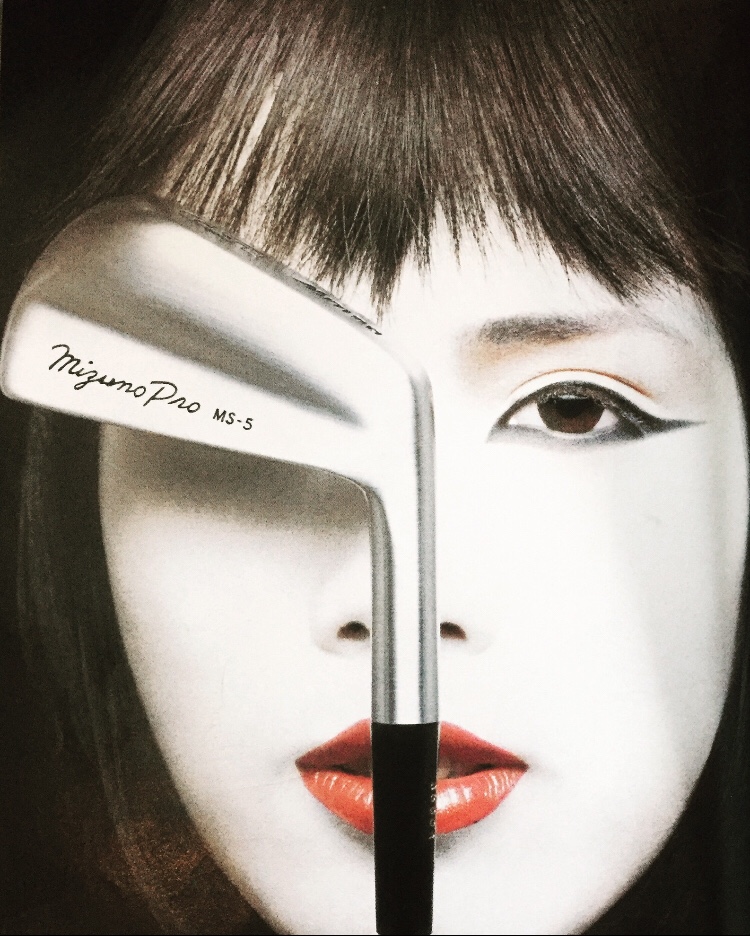
MS-7 (Europe)
Reverse muscle, compact head, square toe. Quite rare as didn’t last long before being stamped TP-7 in 1986 (even rarer). 1985.

MS-7 (N. America)
The satin, wing-back brother (same heads) of the more famous and more popular (European) TP-9. A beauty, and a double-major winner (Faldo 87 Open and 89 Masters). Became MP-7 briefly before it’s run was over. Very popular on tour. 1987 launch.
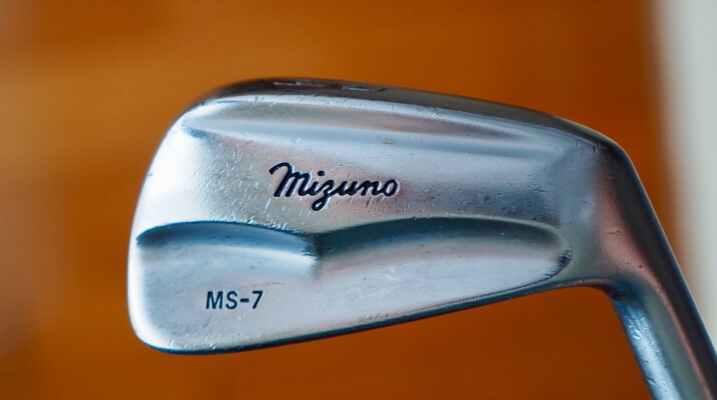
MS-8 (N. America)
Similar to TP-10 and MS-10, a game-improvement blade offering. Not the prettiest. 1988?

MS-9 (N. America)
Another gem, slightly overshadowed by its European counterpart (TP-11 – Sandy Lyle 88 Masters), although did bag the Wanamaker with Wayne Grady in 1990, possibly as (later) MP-9. 1988 launch.

MS-10 (Japan)
Game-improvement features with flanged sole to get ball airborne. Sold as TP-10 in Europe and marketed towards seniors and “strong ladies”! 1986.

MS-30 (Japan)
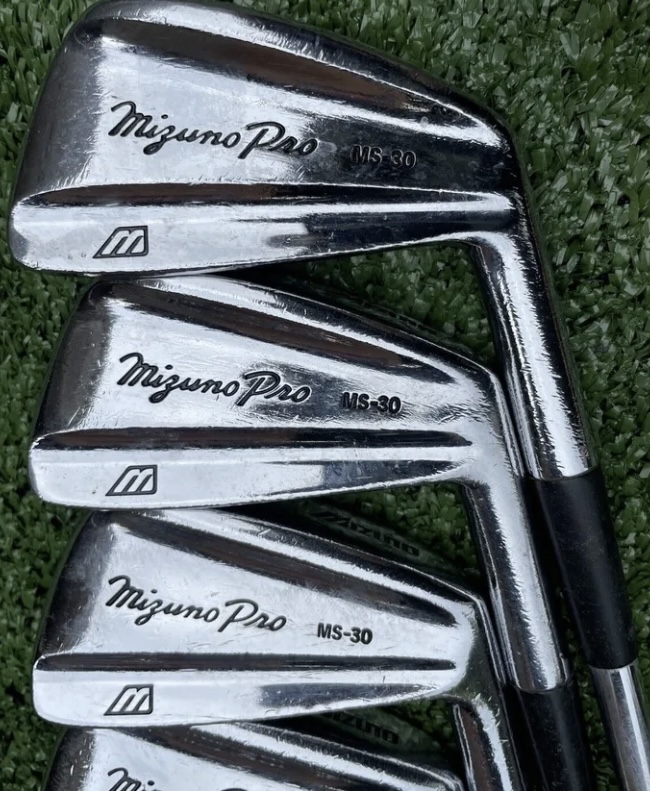
No real idea about these, except they look like the MS-10 and are rare! Earlier version of Mizuno Pro script suggests they may have been an earlier prototype of the same set?
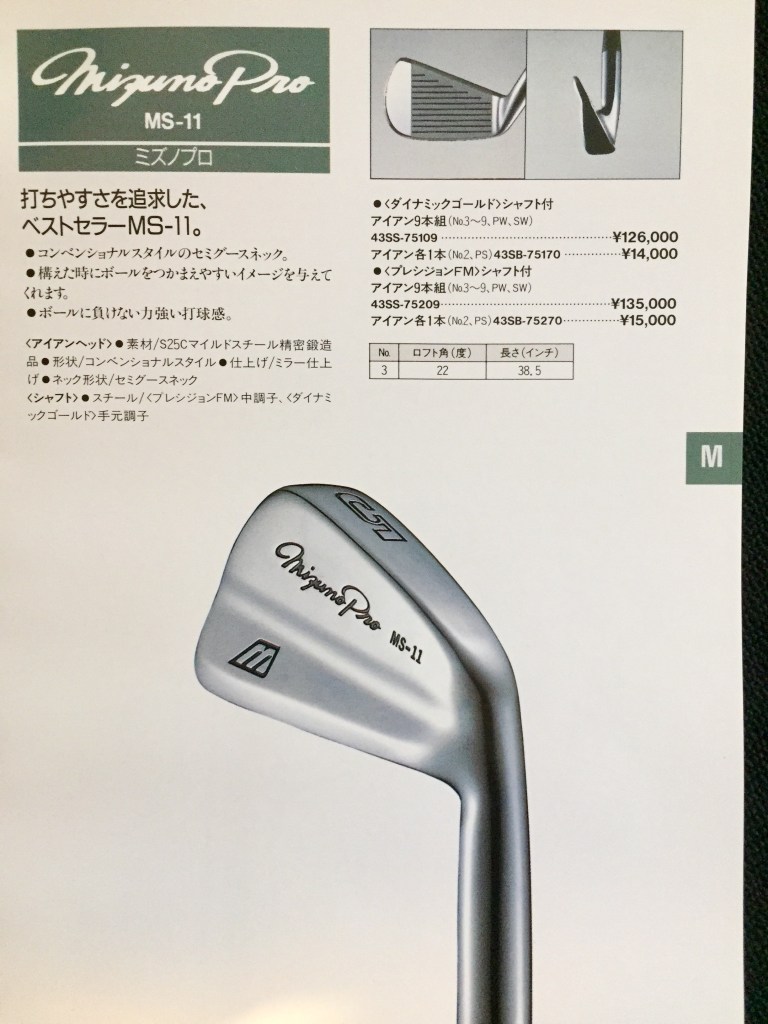
MS-11 (Japan and N. America)
A legend in Japan, one of the most popular models ever made. Distinctive top-line, but otherwise a classic muscle-back in every sense, with some offset. Inspired the Super-11, which are my favourite ever set. Also MP-11 in USA. 1989.
MS-701 (Japan)
Short premium release, similar to Europe/N.America MS-5 mould. ~1985.

MS-702 (Japan)
Short premium release, similar shape to Japan MS-5 but reverse-muscle throughout set. ~1986.

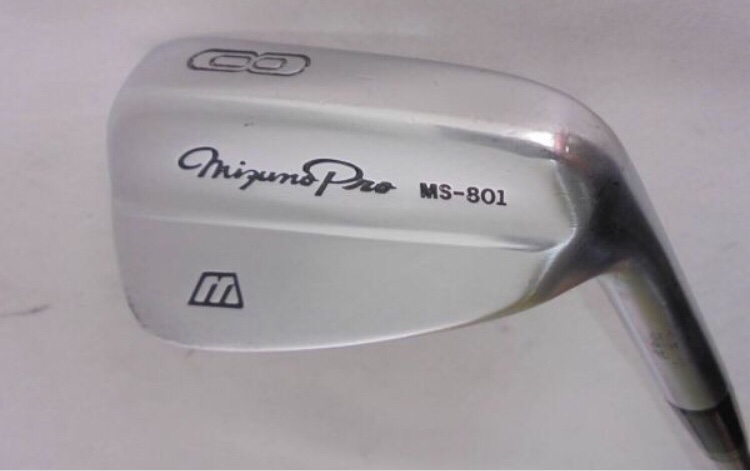
MS-801 (Japan)
Scotch blade model, low bounce but some offset. Full face, square-toe. ~1989-1992.
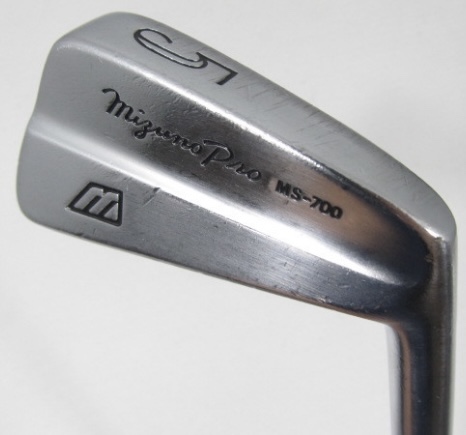
MS-700 (Japan)
Very rare set, significant step in reverse muscle. Date unknown.
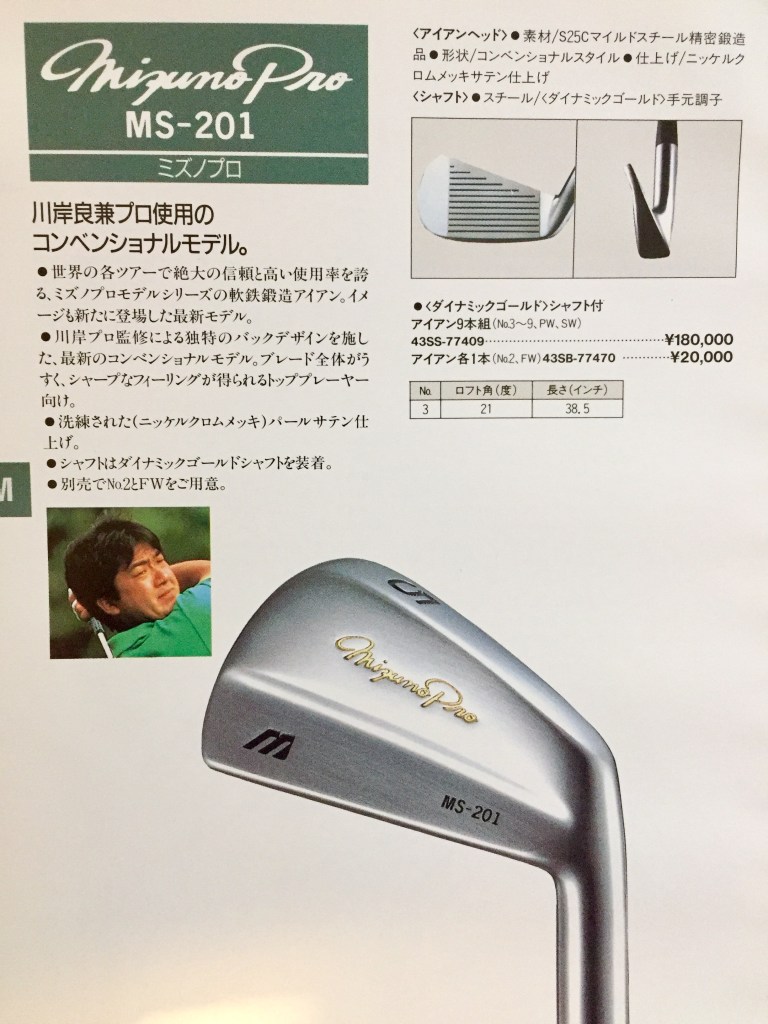
MS-201 (Japan)
Stunning satin finish and the traditional black/gold Mizuno Pro colours. Known as the Ryoken Kawagishi model, a prominent JPGA player at the time. 1992 release.
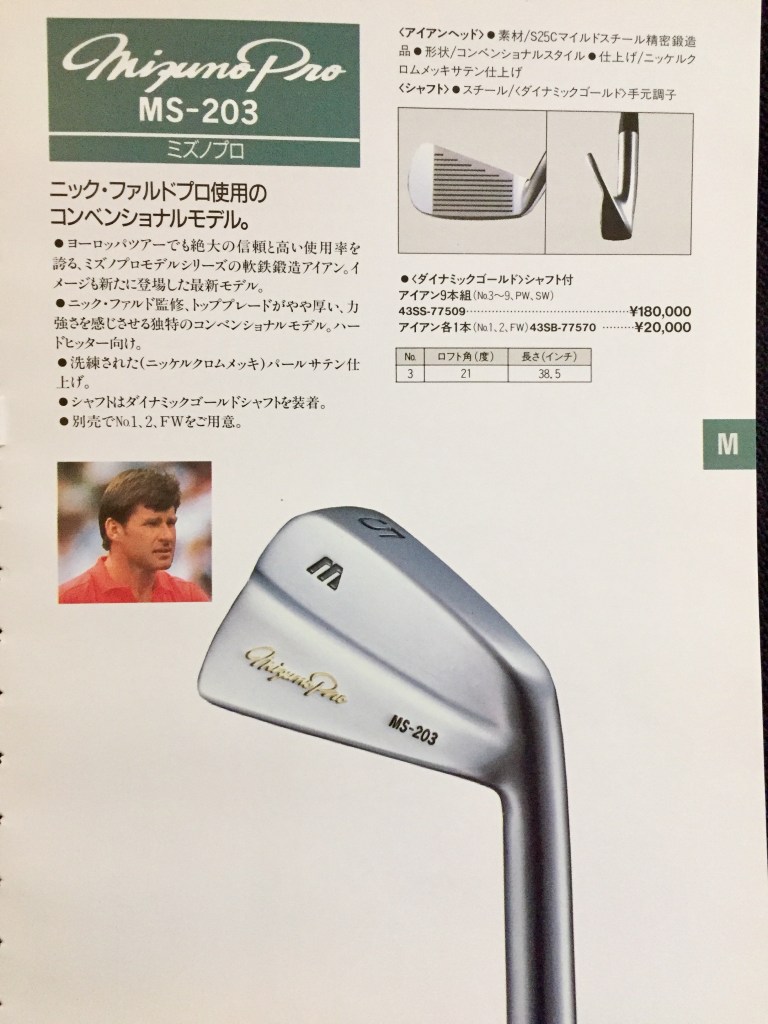
MS-203 (Japan)
Same finish as the 201 and one of the most famous MS models. Sold as the Faldo model in Japan, due to Sir Nick’s input into the design. His sets were mainly finished in chrome TP-19 guise in Europe. Major wins at ‘92 Open and ‘96 Masters. 1992 launch initially.
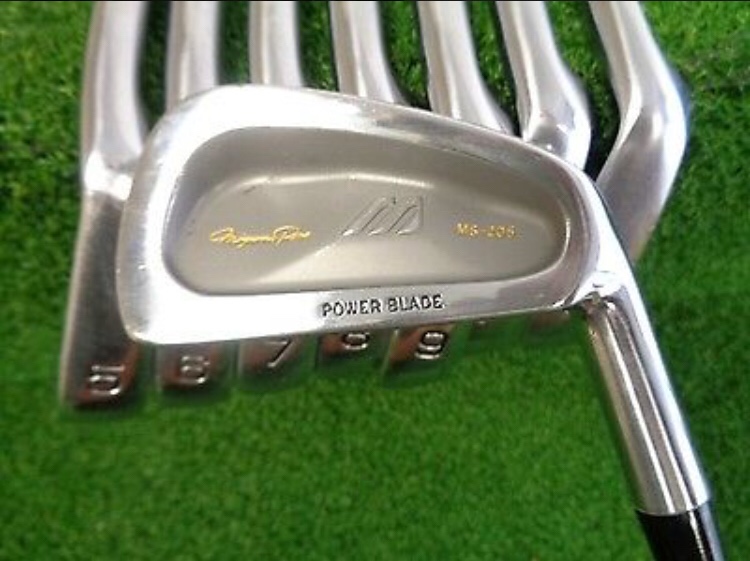
MS-205 (Japan)
Nice cavity back model stamped “Power Blade”, which continued into T-Zoid era. Sold as TP-21 with a dark green colour scheme in Europe. Larger than standard Pro clubs. ~1995.
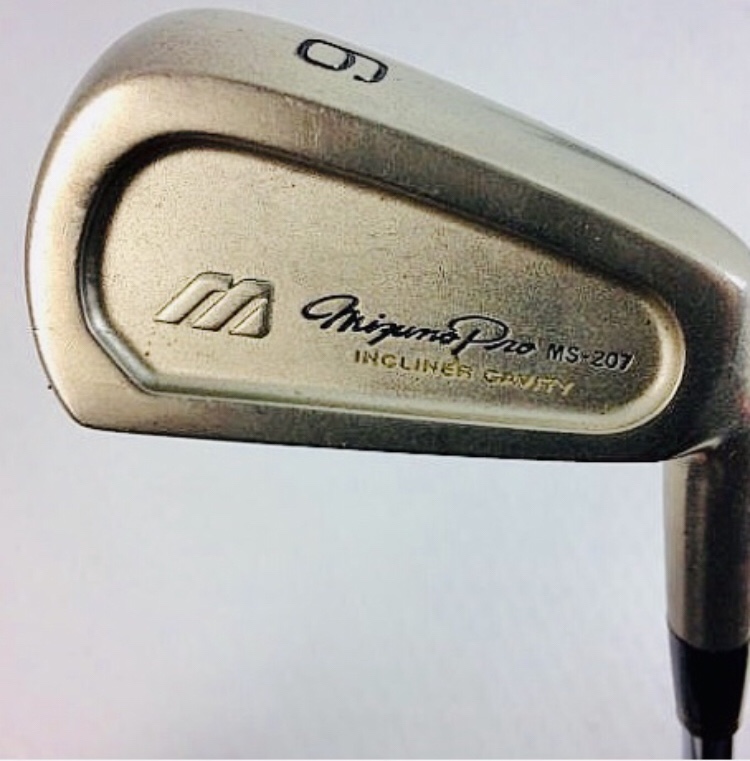
MS-207 (Japan)
The “Incliner Cavity” model, which was progressively friendlier in the longer irons. Nice dark bronze finish but not the biggest seller. ~1997.
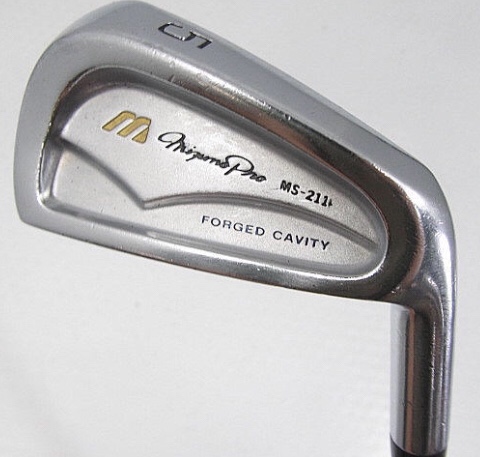
MS-211 (Japan)
Popular model featuring a wing-back within a cavity back. There was no sequential MS-209 due to Japanese superstition of #9. Available in left-hand and a LH MP-19 version of these heads was also available in N. America. 1995.
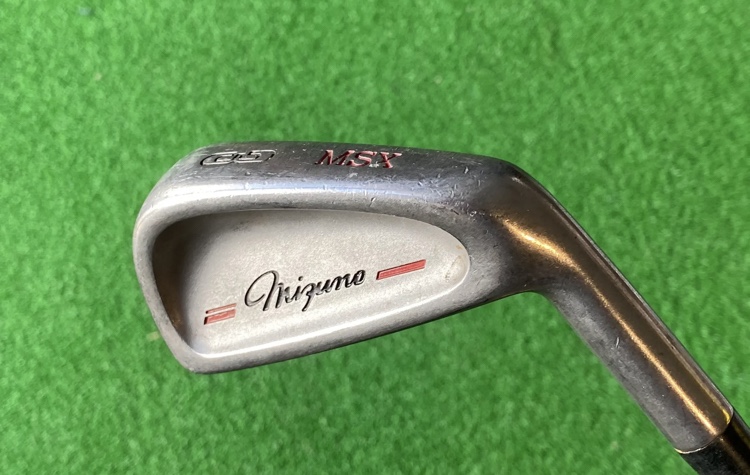
MSX (N. America)
Needs inclusion sadly for completeness. Average cast cavity back. The X (for Extreme) is the pre-cursor to MX line, which later became the popular JPX (Japan Performance Extreme). Matching woods were available. Mid-90’s.
Hope you enjoyed the post. Sure I have missed a couple of rare ones along the way. Some sensational sets in there. 4, 201, 203 and 11 the pick of the bunch for me!

 MizunoDBG - vintage Mizuno golf equipment
I just purchased a vintage set if irons, Mizuno MSX with a Mizuno graphite shaft. I am unable to find any information about them anywhere. Does anyone know the history of this model?
LikeLike
Included now Brian. I have one of the metal woods. Not Mizuno’s finest offering.
LikeLike